
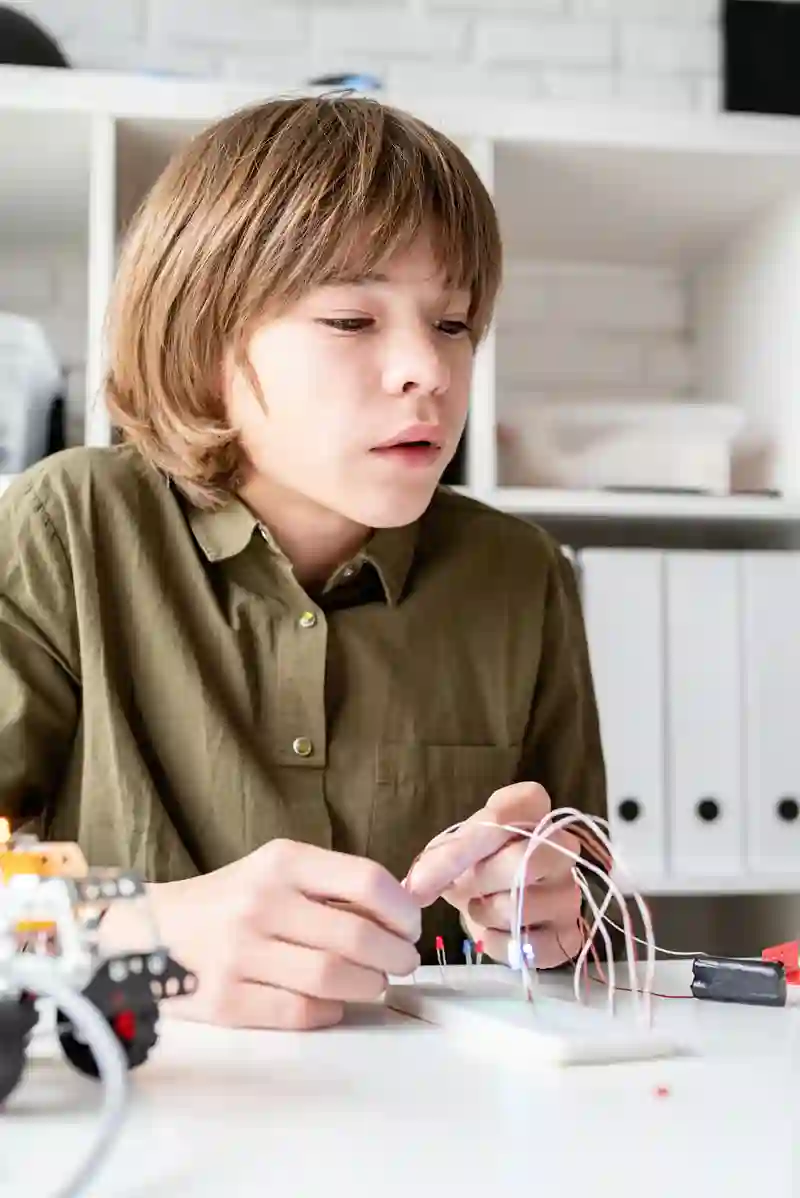
Education has changed dramatically over the past two decades. Traditional learning systems once focused heavily on:
- memorization
- standardized testing
- passive classroom instruction
- repetitive exercises
While these methods still exist in many schools, modern education increasingly recognizes that students need far more than factual knowledge to succeed in today’s rapidly evolving world. Technological innovation, automation, digital communication, and changing job markets now require learners to develop:
- creativity
- adaptability
- problem-solving skills
- collaboration
- innovation
- independent thinking
As a result, the concept of the “maker mindset” became one of the most influential ideas in contemporary education.
The maker mindset refers to a way of thinking centered around:
- curiosity
- experimentation
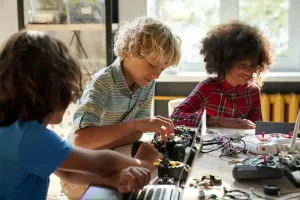
- hands-on learning
- creative problem-solving
- building and creating things
Rather than simply consuming information, students with a maker mindset actively explore ideas through:
- designing
- testing
- constructing
- improving
- inventing
This educational philosophy encourages learners to become creators instead of passive observers.
The rise of the maker movement was strongly influenced by developments in:
- technology
- digital fabrication
- coding
- robotics
- engineering education
- DIY culture
Tools such as:
- 3D printers
- microcontrollers
- design software
- coding platforms
made creative experimentation more accessible than ever before. However, the maker mindset itself is not limited to technology alone. It also applies to:
- art
- writing
- science
- entrepreneurship
- design thinking
- collaborative projects
At its core, the maker mindset values the learning process as much as the final outcome.
Modern employers increasingly seek workers who can:
- adapt quickly
- solve unfamiliar problems
- innovate creatively
- work collaboratively
This shift transformed how educators think about classroom learning. Many schools now recognize that students need opportunities to:
- experiment
- fail safely
- revise ideas
- build confidence through creation
rather than simply memorize correct answers.
The maker mindset is especially important because the modern world changes rapidly. Many future careers may involve technologies and industries that do not yet fully exist. Therefore, students must develop transferable skills that help them navigate uncertainty and continuous learning.
Teachers also benefit significantly from maker-centered approaches. Educators who embrace the maker mindset often create classrooms that are:
- more engaging
- collaborative
- interactive
- student-centered
Instead of functioning only as lecturers, teachers increasingly act as:
- facilitators
- mentors
- guides
- creative coaches
This can improve both student motivation and classroom culture.
Importantly, the maker mindset also changes attitudes toward failure. Traditional education sometimes treats mistakes as negative outcomes to avoid. Maker-centered learning, however, often views failure as:
- experimentation
- feedback
- part of innovation
Students learn resilience by testing ideas, identifying problems, and improving their work through iteration.
Creativity became especially important in the digital age because automation increasingly replaces repetitive tasks. Human strengths such as:
- imagination
- innovation
- emotional intelligence
- original thinking
became more valuable across many industries.
The maker mindset also supports interdisciplinary learning by connecting subjects such as:
- science
- technology
- engineering
- mathematics
- art
- communication
This approach often helps students understand how knowledge applies to real-world situations rather than existing as isolated academic subjects.
Social and emotional development may improve as well. Maker-based projects frequently encourage:
- teamwork
- communication
- leadership
- patience
- confidence
Students often feel greater ownership over learning when they actively create meaningful projects.
Digital culture also contributed to the growth of maker education. Platforms such as:
- YouTube
allow students and teachers to access:
- tutorials
- design ideas
- coding lessons
- collaborative communities
from anywhere in the world.
At the same time, challenges remain. Not all schools have equal access to:
- technology
- funding
- maker spaces
- training resources
Some educators also struggle balancing standardized curriculum requirements with creative project-based learning.
Nevertheless, the maker mindset continues growing because it aligns strongly with the needs of:
- modern learners
- future workplaces
- digital innovation
- lifelong education
Understanding why the maker mindset is important for students and teachers today therefore involves examining:
- creativity
- innovation
- educational psychology
- future workforce preparation
- hands-on learning
- student engagement
In this comprehensive guide, you will explore how the maker mindset supports modern education, why creativity and experimentation matter more than ever, and how maker-centered learning prepares students and teachers for an increasingly innovative world.
What Is the Maker Mindset?
The maker mindset is an approach to learning focused on:
- creativity
- experimentation
- problem-solving
- hands-on creation
Instead of passively receiving information, learners actively:
- build
- design
- test
- improve
ideas and projects.
The maker mindset values curiosity and continuous learning.
The Origins of the Maker Movement
The maker movement grew through influences from:
- DIY culture
- engineering
- coding communities
- creative workshops
- digital fabrication
As tools such as:
- 3D printers
- robotics kits
- coding platforms
became more affordable, creative experimentation became more accessible in schools and homes.
However, the maker mindset extends beyond technology alone.
Why Education Is Changing
Traditional education often focused heavily on:
- memorization
- repetition
- standardized testing
Modern economies now value:
- innovation
- adaptability
- critical thinking
- collaboration
As a result, schools increasingly emphasize:
- project-based learning
- creativity
- practical problem-solving
The maker mindset supports these educational goals strongly.
Creativity Became a Core Skill
In the modern digital economy, creativity is increasingly valuable.
Automation can replace many repetitive tasks, but human strengths such as:
- imagination
- innovation
- original thinking
remain highly important.
Maker-centered learning encourages students to:
- explore ideas
- experiment freely
- create unique solutions
This helps strengthen creative confidence.
Hands-On Learning Improves Engagement
Students often learn more effectively when actively involved in the learning process.
Hands-on activities may improve:
- attention
- motivation
- memory retention
- participation
Maker projects allow students to physically engage with concepts instead of only reading or listening passively.
Learning Through Experimentation
The maker mindset encourages experimentation.
Students test ideas through:
- trial and error
- prototypes
- revisions
- problem-solving
This approach mirrors real-world innovation processes.
Learning becomes more dynamic and interactive.
Why Failure Becomes Valuable
Traditional education sometimes treats mistakes negatively.
Maker-centered learning views failure differently.
Mistakes become:
- feedback
- learning opportunities
- part of improvement
Students learn resilience by:
- identifying problems
- adjusting strategies
- trying again
This builds confidence and persistence.
Problem-Solving Skills for the Future
Modern workplaces increasingly require employees who can solve unfamiliar problems creatively.
Maker education strengthens:
- analytical thinking
- adaptability
- practical reasoning
Students practice solving real challenges rather than only memorizing information.
Collaboration and Teamwork
Many maker activities involve group projects.
Students learn:
- communication
- teamwork
- leadership
- idea sharing
Collaborative environments often improve:
- social skills
- emotional intelligence
- peer learning
These abilities remain important in nearly every profession.
Teachers as Facilitators
The maker mindset also changes teaching styles.
Teachers increasingly act as:
- mentors
- guides
- facilitators
rather than only lecturers.
This creates more student-centered classrooms focused on:
- exploration
- creativity
- independent learning
The Importance of Curiosity
Curiosity drives innovation.
Maker-centered learning encourages students to:
- ask questions
- explore possibilities
- investigate solutions
Curious learners often become more engaged and motivated academically.
Technology and Maker Education
Technology plays an important role in many maker classrooms.
Students may use:
- coding platforms
- robotics
- design software
- electronics
- digital fabrication tools
These technologies help students develop modern technical literacy.
Maker Spaces in Schools
Many schools created “maker spaces” designed for creative experimentation.
These spaces often include:
- tools
- craft supplies
- engineering kits
- digital equipment
Maker spaces encourage:
- collaboration
- invention
- hands-on discovery
They support active learning environments.
Interdisciplinary Learning
The maker mindset connects multiple subjects together.
Projects may combine:
- science
- engineering
- art
- math
- communication
This interdisciplinary approach helps students see how knowledge applies in real life.
Why Students Need Adaptability
The future job market changes rapidly due to:
- automation
- AI
- digital transformation
Students must therefore become adaptable lifelong learners.
Maker-centered education encourages flexibility and continuous improvement.
Building Confidence Through Creation
Completing projects often gives students a strong sense of accomplishment.
Creating something tangible helps develop:
- confidence
- independence
- self-efficacy
Students begin viewing themselves as capable creators and problem-solvers.
The Role of Critical Thinking
Maker projects frequently involve:
- planning
- testing
- troubleshooting
- evaluating results
These activities strengthen critical thinking skills.
Students learn to analyze problems rather than simply memorize answers.
Maker Learning and Innovation
Innovation often begins through experimentation.
The maker mindset encourages students to:
- generate ideas
- prototype solutions
- improve designs
This process resembles entrepreneurial and scientific thinking.
Digital Communities and Shared Learning
Online platforms expanded maker culture globally.
Students and teachers now access tutorials and communities through:
- YouTube
This allows creative learning to continue beyond classrooms.
Why Teachers Benefit Too
Teachers also benefit from maker-centered learning environments.
These approaches may increase:
- classroom engagement
- creativity
- professional satisfaction
Teachers can experiment with:
- interactive lessons
- collaborative activities
- project-based learning
Maker Mindset and Entrepreneurship
The maker mindset overlaps strongly with entrepreneurship.
Both emphasize:
- innovation
- initiative
- experimentation
- problem-solving
Students learn how ideas evolve from concepts into real solutions.
Equity and Access Challenges
Not all schools have equal access to:
- funding
- technology
- training
- maker resources
This creates educational inequality challenges.
However, maker activities do not always require expensive technology. Creativity can also develop through:
- crafts
- recycled materials
- simple engineering activities
Why the Process Matters More Than Perfection
Maker education often values:
- exploration
- learning process
- experimentation
more than perfect final results.
Students gain confidence by trying ideas without fear of immediate perfection.
Emotional Growth Through Making
Creative projects may improve:
- patience
- persistence
- emotional resilience
Students often become more comfortable handling uncertainty and setbacks.
This emotional growth supports broader personal development.
Real-World Learning Experiences
Maker-centered education often feels more practical and relevant.
Students see direct connections between:
- classroom learning
- real-world application
This can improve motivation and long-term understanding.
The Future of Education
Many experts believe future education will increasingly emphasize:
- creativity
- innovation
- interdisciplinary thinking
- digital literacy
The maker mindset aligns strongly with these evolving educational priorities.
FAQs About the Maker Mindset
What is the maker mindset?
It is a learning approach focused on creativity, experimentation, and hands-on problem-solving.
Why is the maker mindset important in schools?
It helps students develop creativity, critical thinking, collaboration, and adaptability.
Does maker education require expensive technology?
No. Many maker activities use simple materials and creative problem-solving.
How does the maker mindset help teachers?
It encourages more engaging, student-centered, and interactive teaching methods.
Why is failure important in maker learning?
Failure becomes a learning opportunity that builds resilience and innovation skills.
Conclusion
The maker mindset became increasingly important for students and teachers because modern education now requires far more than memorization and passive learning. In a rapidly changing world shaped by:
- technology
- automation
- digital communication
- innovation
students need skills such as:
- creativity
- adaptability
- collaboration
- critical thinking
- problem-solving
to succeed long term.
Maker-centered learning encourages students to actively:
- create
- experiment
- design
- improve
rather than simply consume information. This hands-on approach helps learners build confidence, resilience, and practical understanding through real experiences and creative exploration.
Teachers also benefit because the maker mindset supports more:
- engaging
- interactive
- student-centered
classroom environments. Educators become facilitators of exploration and innovation rather than only providers of information.
Importantly, the maker mindset also changes attitudes toward mistakes. Instead of fearing failure, students learn to view challenges as opportunities for:
- experimentation
- growth
- improvement
This emotional and intellectual flexibility became especially valuable in modern society.
Ultimately, the maker mindset prepares learners not only for future careers, but also for lifelong learning, innovation, and responsible participation in an increasingly creative and technology-driven world.