
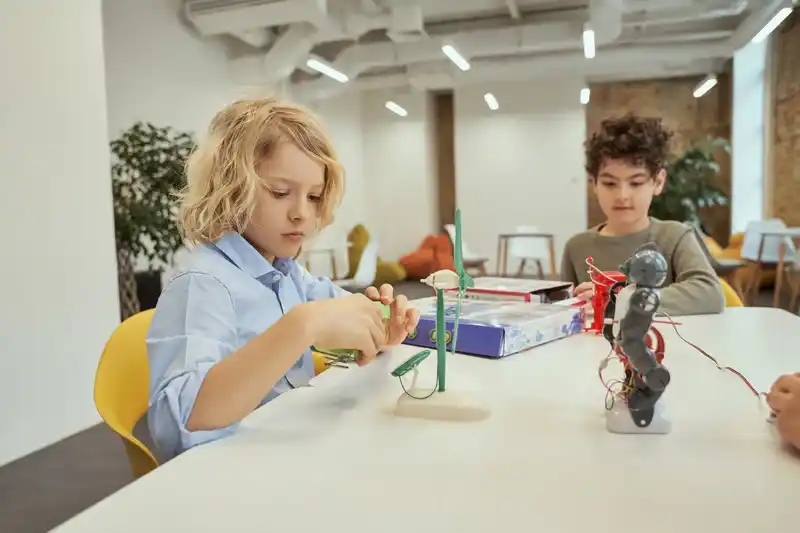
In recent years, the concept of a maker mindset learning approach has gained traction in educational settings. This philosophy emphasizes creativity, experimentation, and hands-on learning, allowing students to engage deeply with their subjects. Central to this movement are various tools and technologies that empower learners to create, innovate, and solve problems. Let’s dive into the tools and technologies that support maker mindset learning and how they transform educational experiences.
Understanding Maker Mindset Learning
Before we explore the tools, it’s essential to grasp what maker mindset learning entails. This approach encourages learners to think like makers, embracing experimentation, iteration, and collaboration. It shifts the focus from passive consumption of information to active creation and exploration.
The Key Elements of a Maker Mindset
Creativity: Encouraging students to think outside the box and explore innovative solutions.
Collaboration: Promoting teamwork and communication among peers to solve complex problems.
Critical Thinking: Fostering analytical skills to evaluate solutions and improve designs.
Resilience: Teaching students to learn from failures and persist in their efforts.
By incorporating these elements, educators can create an environment that nurtures a maker mindset, preparing students for real-world challenges.
The Role of Tools and Technologies
Tools and technologies play a vital role in facilitating maker mindset learning. They provide the resources and platforms necessary for students to engage in hands-on projects, experiment with ideas, and collaborate with others. Let’s explore some of the most impactful tools and technologies that support this approach.
1. 3D Printing Technology
Transforming Ideas into Reality
3D printing has revolutionized the way students can bring their ideas to life. With a 3D printer, learners can design and create physical objects from digital models. This technology allows students to experiment with design principles, materials, and engineering concepts in a tangible way.
Real-Life Example
Consider a middle school science class where students are tasked with designing a prototype of a sustainable housing solution. Using 3D modeling software, they create their designs and then print them using a 3D printer. This hands-on experience not only enhances their understanding of architectural concepts but also fosters collaboration as they work together to refine their designs.
Expert Insights
According to Dr. Jennifer Lee, an education technology researcher, “3D printing encourages students to engage in the design process actively. It allows them to visualize their ideas and iterate on their designs, which is a crucial aspect of the maker mindset.”
2. Robotics Kits
Engaging Students in STEM Learning
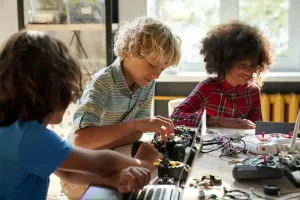
Robotics kits, such as LEGO Mindstorms and VEX Robotics, provide an excellent platform for students to learn about engineering, programming, and problem-solving. These kits often come with sensors, motors, and programmable components that allow students to build and control their robots.
Critical Thinking in Action
When students work with robotics kits, they encounter challenges that require critical thinking and collaboration. For example, they may need to program their robot to navigate an obstacle course. This task prompts them to analyze their designs, troubleshoot issues, and iterate on their solutions.
Real-Life Example
In a high school robotics club, students participate in competitions that challenge them to build robots capable of performing specific tasks. This experience not only fosters teamwork but also instills a sense of achievement as they see their robots in action.
3. Coding and Programming Platforms
Empowering Future Innovators
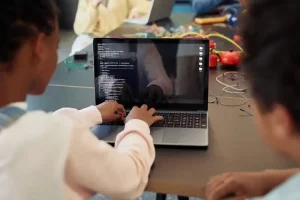
Coding is an essential skill in the digital age, and platforms like Scratch, Code.org, and Tynker provide engaging environments for students to learn programming concepts. These platforms often use gamification to make coding accessible and enjoyable.
Creative Problem-Solving
Through coding, students can create interactive stories, games, and animations, allowing them to express their creativity while developing technical skills. This process encourages them to think logically and solve problems systematically.
Expert Recommendations
Dr. Maria Gonzalez, a computer science educator, emphasizes the importance of coding in maker mindset learning: “Learning to code empowers students to become creators of technology rather than just consumers. It fosters a mindset of innovation and encourages them to tackle real-world problems.”
4. Digital Fabrication Tools
Expanding Creative Possibilities
Digital fabrication tools, such as laser cutters and CNC machines, enable students to create intricate designs and prototypes. These tools allow for precision and detail that can be challenging to achieve with traditional methods.
Real-Life Application
In a high school design class, students use a laser cutter to create custom designs for a community project. By collaborating with local organizations, they can contribute their creations to the community while honing their fabrication skills.
Expert Insights
Dr. Robert Chang, a maker education advocate, highlights the significance of digital fabrication: “These tools encourage students to take ownership of their projects. They can experiment with materials and techniques, which fosters a sense of pride in their work.”
5. Virtual Reality (VR) and Augmented Reality (AR)
Immersive Learning Experiences
VR and AR technologies offer immersive learning experiences that can enhance maker mindset learning. With VR, students can explore virtual environments, while AR can overlay digital information onto the physical world.
Engaging Exploration
For instance, students can use AR to visualize complex scientific concepts, such as molecular structures or historical events. This interactive approach encourages exploration and curiosity, essential components of the maker mindset.
Real-Life Example
In a biology class, students use AR applications to examine the human body in 3D. This hands-on experience enhances their understanding of anatomy and fosters collaborative discussions as they explore together.
6. Collaborative Online Platforms
Facilitating Teamwork and Communication
Collaborative online platforms, such as Google Workspace and Microsoft Teams, enable students to work together on projects, share ideas, and communicate effectively. These tools are essential for fostering collaboration in maker mindset learning.
Project Management in Action
Students can use these platforms to manage projects, assign tasks, and track progress. This structured approach helps them develop project management skills while working collaboratively.
Expert Recommendations
According to Dr. Samantha Brown, an educational technology specialist, “Collaboration tools are vital for teaching students how to work in teams. In today’s world, teamwork is essential, and these platforms provide a space for students to practice these skills.”
7. Open-Source Software and Tools
Encouraging Innovation and Customization
Open-source software, such as Arduino and Raspberry Pi, empowers students to create custom projects. These platforms provide access to a wealth of resources and a community of makers who share their knowledge and creations.
Hands-On Learning
For example, students can use Arduino to build electronic circuits and program them to perform various tasks. This hands-on experience enhances their understanding of electronics and programming while encouraging creativity.
Real-Life Application
In a makerspace, students use Raspberry Pi to develop interactive installations for a school event. This project requires them to collaborate, troubleshoot, and innovate, embodying the spirit of the maker mindset.
8. Maker Spaces and Labs
Physical Environments for Creativity
Maker spaces and labs provide dedicated environments for hands-on learning. These spaces are equipped with tools, materials, and resources that support maker mindset learning.
Community and Collaboration
In a maker space, students can collaborate on projects, share ideas, and learn from each other. This sense of community fosters creativity and encourages them to take risks in their learning.
Expert Insights
Dr. Alice Thompson, a maker education expert, emphasizes the importance of maker spaces: “These environments provide students with the freedom to explore and create. They encourage a culture of innovation and experimentation, which is essential for developing a maker mindset.”
9. Assessment Tools for Maker Learning
Measuring Success and Growth
Assessment tools play a crucial role in evaluating student progress in maker mindset learning. These tools help educators measure critical skills such as creativity, collaboration, and problem-solving.
Real-World Application
Educators can use portfolios and project-based assessments to evaluate student work. This approach allows students to reflect on their learning and showcase their projects, fostering a sense of ownership and pride.
Expert Recommendations
According to Dr. Emily Carter, an assessment specialist, “Using alternative assessment methods encourages students to demonstrate their learning in meaningful ways. It shifts the focus from traditional testing to real-world applications.”
10. Community Resources and Workshops
Enhancing Learning Opportunities
Community resources, such as local maker organizations and workshops, provide additional learning opportunities for students. These resources often offer hands-on experiences, mentorship, and access to specialized tools.
Real-Life Example
In a community workshop, students can participate in woodworking classes, coding camps, or robotics competitions. These experiences enrich their understanding and inspire them to pursue their interests further.
Expert Insights
Dr. Mark Stevens, a community education advocate, emphasizes the value of community resources: “Engaging with local organizations helps students connect their learning to real-world applications. It fosters a sense of belonging and encourages them to contribute to their communities.”
Conclusion
The tools and technologies that support maker mindset learning are diverse and continually evolving. By incorporating these resources into educational settings, teachers can foster creativity, collaboration, and critical thinking among students. As we embrace the maker mindset, we empower learners to innovate, experiment, and thrive in a rapidly changing world.
In this journey, it’s essential to recognize that the true value of maker mindset learning lies not only in the tools but also in the experiences and connections that emerge from them. By nurturing a culture of creativity and exploration, we can prepare students for the challenges and opportunities that lie ahead.
Related FAQs
1. What is maker mindset learning?
Maker mindset learning emphasizes creativity, experimentation, and hands-on experiences, encouraging students to think like makers and solve real-world problems.
2. How can technology enhance maker mindset learning?
Technology, such as 3D printing, robotics, and coding platforms, supports maker mindset learning by providing tools for experimentation, collaboration, and innovation.
3. What role do maker spaces play in education?
Maker spaces offer dedicated environments for hands-on learning, fostering creativity and collaboration among students while providing access to tools and resources.